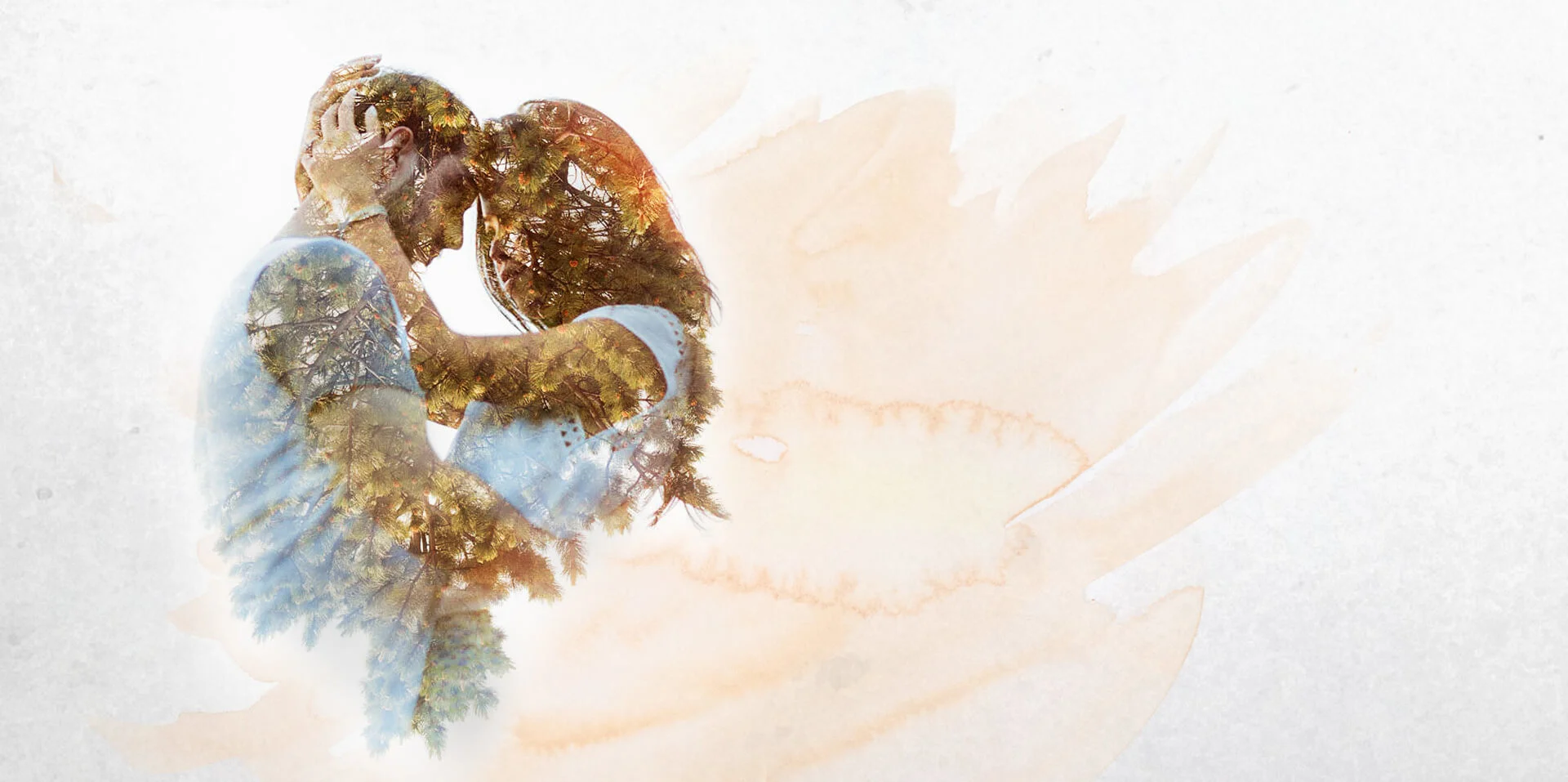
Understanding holistic well-being: an integrated health approach
Mind-body connection

Energetic balance

Natural nourishment
Exploring the spectrum of alternative medicine
These systems of care operate outside conventional Western medicine, encompassing ancient traditions like acupuncture which targets meridians, or naturopathy using the body’s inherent healing abilities.
Ancient healing systems
Distinguishing complementary from alternative therapies
Integrated health models
Cultivating inner peace through mind and serenity

The role of mindfulness in daily life

Meditation techniques for mental clarity

Breathwork for emotional regulation
Achieving mental quietude involves more than just sitting still; it’s an active process of engagement. Mindfulness teaches us to observe our thoughts without judgment, anchoring us in the present moment amidst daily chaos. Specific meditation practices, from guided visualizations to focused-attention methods, help to sharpen cognitive function and reduce mental clutter. Simultaneously, controlled breathing exercises, known as pranayama in yogic traditions, directly influence the nervous system, offering a powerful tool to calm anxiety and manage emotional responses effectively.

Harmonizing the body’s physical and energetic systems
Physical vitality is intrinsically linked to the unseen flow of life force within us. Practices such as yoga and tai chi are designed not just for muscular strength but to improve the circulation of ‘qi’ or ‘prana’ through established pathways. These movements release physical tension, improve flexibility, and foster a deeper connection to bodily sensations.
Beyond movement, energy healing modalities work on a more subtle level. Reiki, for instance, involves a practitioner channeling universal energy to the recipient to clear blockages and promote self-healing. Similarly, sound baths use specific frequencies from crystal bowls or gongs to resonate with the body’s cells, recalibrating the energetic field and inducing a state of deep relaxation and cellular rejuvenation. These methods address fatigue and unease at their source.
Subtle energy fields
Nourishing the whole self with holistic nutrition
This approach to eating transcends simple calorie counting, focusing instead on whole, unprocessed foods that support all bodily systems. It considers the energetic properties of food, seasonal eating patterns, and an individual’s unique constitution. A diet rich in phytonutrients, antioxidants, and healthy fats from sources like avocados and nuts aims to reduce inflammation, balance hormones, and enhance gut health, which is often considered the ‘second brain’. The goal is to build a foundation of wellness from within.
Embracing natural beauty with wholesome organic rituals

Skincare with plant-based ingredients
Using cold-pressed oils, floral waters, and potent botanical extracts.

Aromatherapy for mood and skin
Essential oil diffusion and topical application for targeted benefits.

The art of dry brushing
Stimulating lymphatic drainage and exfoliating the skin before bathing.

Herbal infusions for hair care
Rinses made from nettle or rosemary to strengthen strands.

Essential tools and supplies for your wellness journey
Creating a supportive environment for your practices involves selecting items that resonate with your intentions. This is not about accumulation but mindful selection. A high-quality yoga mat provides grip and cushioning, while a dedicated meditation cushion supports posture. Choosing natural, sustainably sourced products enhances the connection to the earth and the integrity of your personal wellness sanctuary.<